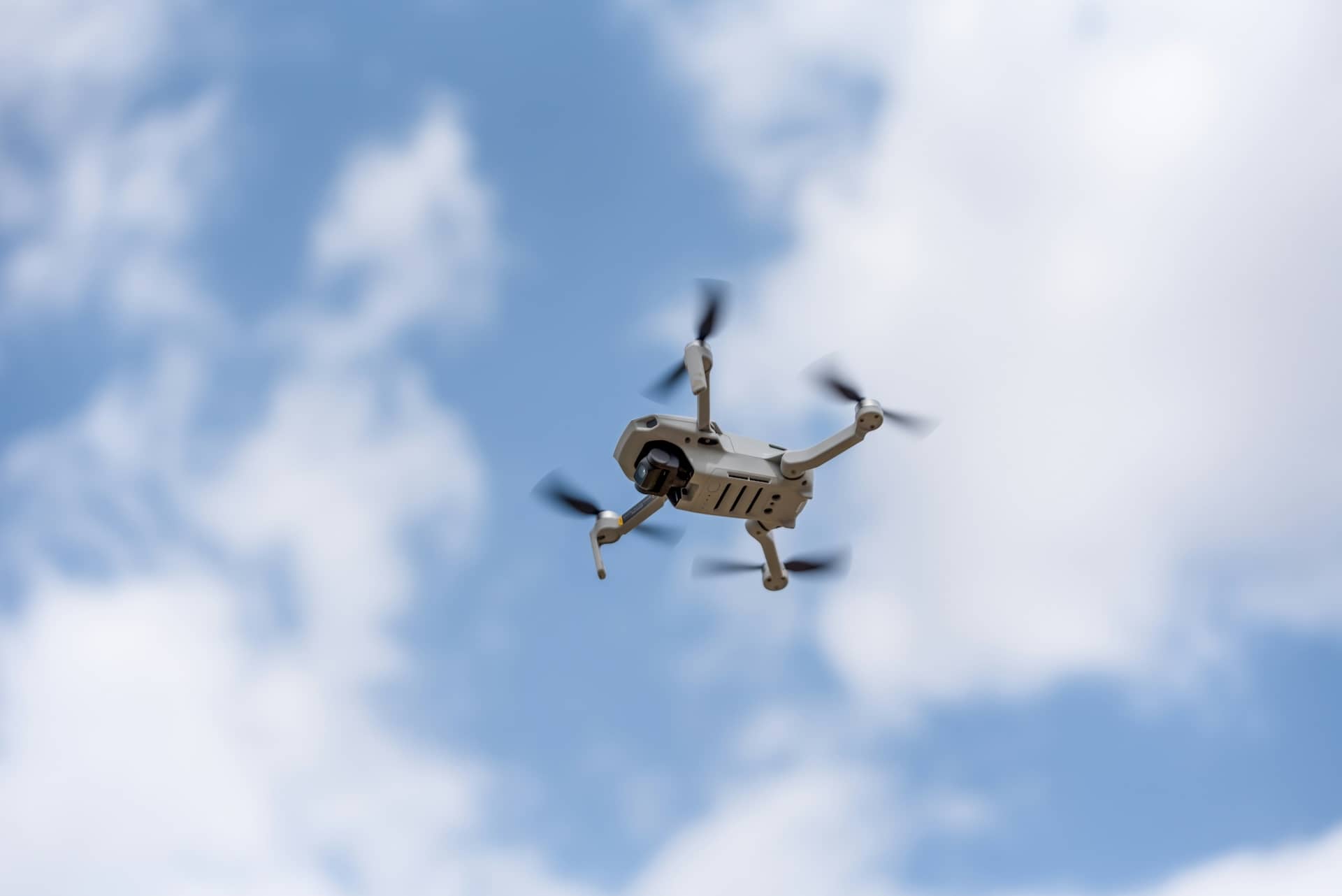
The rapid advancement of Unmanned Aerial Vehicles (UAVs), commonly known as drones, has opened up vast opportunities across industries—from surveillance and agriculture to emergency response and delivery services. However, as UAV operations increase in complexity and frequency, integrating them safely and efficiently into controlled airspace remains a significant challenge. Controlled airspace, which is actively managed by air traffic control (ATC) to ensure the safe movement of manned aircraft, presents a unique set of obstacles when shared with UAVs. This essay explores the key challenges of such integration, including regulatory gaps, technological limitations, safety concerns, and the need for updated air traffic management systems.
Regulatory and Legal Barriers
One of the foremost challenges in UAV integration is the lack of unified regulatory frameworks. While some countries, such as the United States and members of the European Union, have established guidelines through agencies like the Federal Aviation Administration (FAA) and the European Union Aviation Safety Agency (EASA), these frameworks are still evolving. Discrepancies between national and international regulations complicate cross-border UAV operations and hinder progress toward a global UAV traffic management system. Additionally, questions about liability in the event of a mid-air collision or system failure remain unresolved, making policymakers cautious about permitting UAVs in controlled airspace.
Technological Limitations
Integrating UAVs requires advanced technologies for navigation, communication, and collision avoidance—capabilities that many UAVs currently lack or have only in rudimentary form. Unlike manned aircraft, most UAVs do not carry onboard pilots who can communicate directly with ATC or respond to dynamic airspace changes. This makes real-time coordination difficult. Moreover, many UAVs lack the necessary transponders to be visible on radar systems, increasing the risk of undetected presence in crowded airspace. Technologies such as Detect-and-Avoid (DAA) systems and Automatic Dependent Surveillance-Broadcast (ADS-B) are being developed to bridge this gap, but their widespread adoption is still in progress.
Safety and Risk Management
Safety is the cornerstone of all airspace operations, and introducing UAVs introduces new variables that complicate risk management. Manned aircraft pilots are trained professionals following strict procedures and communication protocols. UAVs, however, may be operated remotely or even autonomously, increasing the potential for miscommunication, loss of control, or system failure. Additionally, UAVs are more susceptible to cybersecurity threats, including hacking and signal jamming, which could lead to serious incidents if not properly mitigated. Ensuring that UAVs meet rigorous safety standards equivalent to those of manned aviation is a critical and ongoing challenge.
Air Traffic Management Integration
Existing air traffic control systems are not designed to handle large volumes of small, fast-moving, low-altitude UAVs. Integrating UAVs requires the development of a new layer of air traffic management—often referred to as UTM (UAV Traffic Management)—that can operate alongside traditional ATC systems without conflict. UTM must handle functions such as flight authorization, tracking, geofencing, and emergency management, all while coordinating with existing ATC infrastructure. Seamless data exchange, interoperability, and real-time coordination are essential but difficult to achieve given the current state of both manned and unmanned systems.
Public Acceptance and Privacy
The integration of UAVs also raises social and ethical concerns, especially regarding privacy and noise pollution. Civilian drones flying in controlled airspace may inadvertently or deliberately capture sensitive images or data, raising questions about surveillance and individual rights. Public resistance could slow policy implementation and provoke legal battles, further complicating the integration process. Building public trust requires transparent policies, clear guidelines on data use, and stringent privacy protections.
Conclusion
The integration of UAVs into controlled airspace is a complex, multifaceted challenge that demands coordinated efforts from regulators, industry stakeholders, and technology developers. While the benefits of UAV operations in controlled airspace are considerable, ranging from improved logistics to enhanced emergency response, these cannot be realized without addressing the regulatory, technological, safety, and societal obstacles. A successful integration strategy will depend on developing robust technologies, harmonizing global regulations, upgrading air traffic systems, and fostering public trust. Only through such comprehensive efforts can UAVs safely and efficiently share the skies with manned aircraft.