
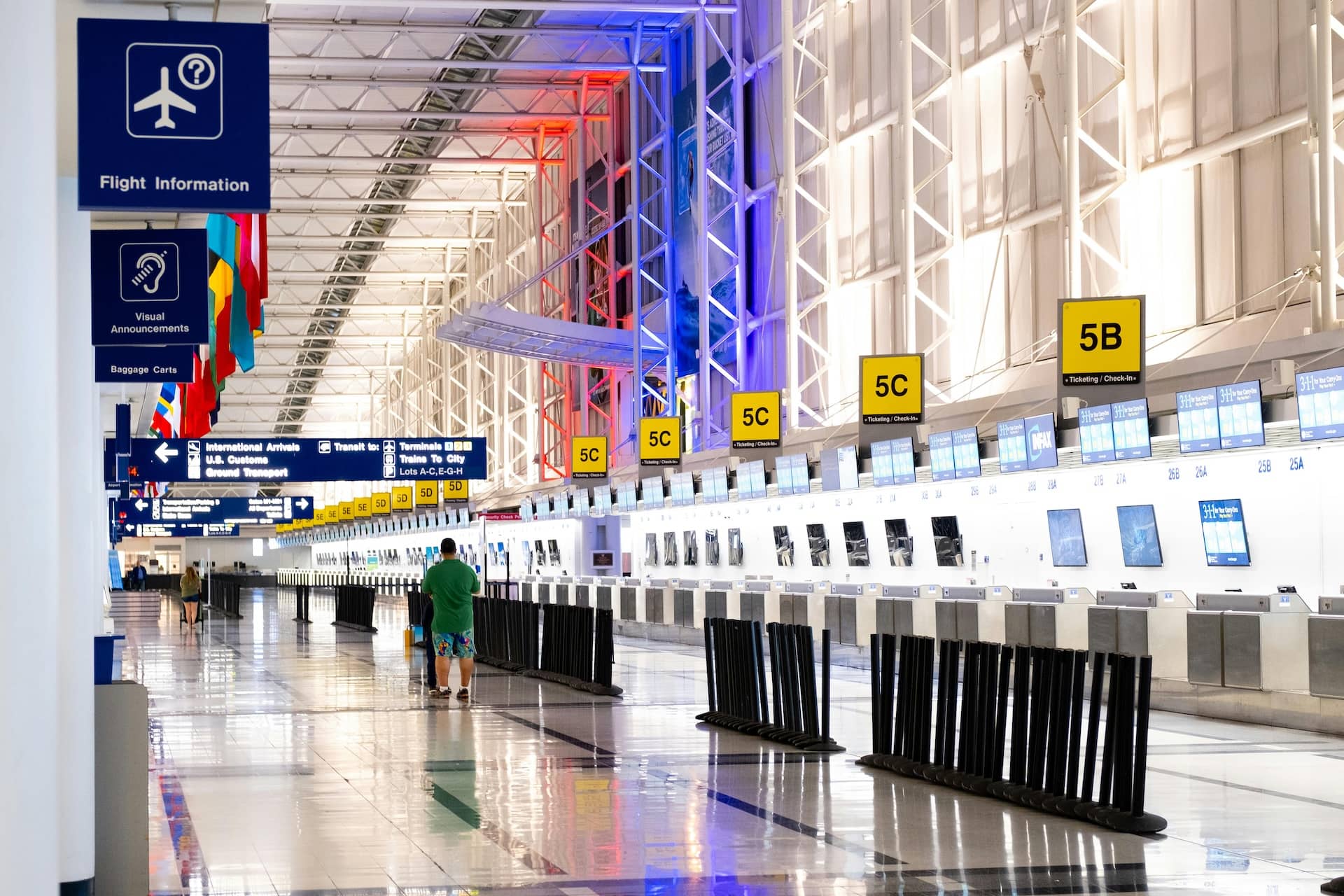
As global air travel demand continues to rise, modernizing airport infrastructure has become an urgent priority for the aviation industry and governments worldwide. Airports serve as critical nodes in the global transportation network, and their ability to handle increasing volumes of passengers and cargo is essential to economic development, tourism, and trade. However, expanding airport capacity often comes with significant environmental consequences, including increased greenhouse gas emissions, noise pollution, and land use impacts. The challenge facing the aviation sector today is how to modernize airport infrastructure in a way that balances the pressing need for capacity expansion with the equally important goal of environmental sustainability.
The Need for Modernization and Expansion
Airports around the world are under pressure to accommodate growing traffic. According to the International Air Transport Association (IATA), global air passenger numbers are expected to double by 2040. Many existing airport facilities are already operating at or beyond capacity, leading to delays, inefficiencies, and safety concerns. Aging terminals, outdated air traffic control systems, and limited runway availability further constrain operational performance.
To meet future demand, airports are investing in new terminals, runways, taxiways, and digital systems. These upgrades are essential to reduce congestion, enhance safety, improve passenger experience, and support the integration of next-generation aircraft and autonomous systems. However, such developments often involve significant land disturbance, energy consumption, and emissions during construction and operation phases.
Environmental Challenges of Airport Expansion
Expanding airport infrastructure raises several environmental concerns:
- Carbon Emissions: Airports contribute to carbon emissions not only through aircraft operations but also via ground transportation, energy-intensive buildings, and construction activities. The expansion of runways and terminals can lead to higher operational emissions unless sustainable technologies are employed.
- Noise Pollution: Increased flight frequency and the addition of new runways can lead to greater noise exposure for surrounding communities, negatively affecting public health and quality of life.
- Land Use and Biodiversity: Expanding airport footprints often requires converting natural habitats, agricultural land, or wetlands, which can disrupt local ecosystems and biodiversity.
- Water and Air Quality: Construction and increased surface traffic may lead to higher levels of air pollutants and water runoff containing chemicals and waste products.
Strategies for Sustainable Airport Modernization
Balancing capacity expansion with environmental sustainability requires a multi-faceted approach that integrates green design principles, technological innovation, and stakeholder collaboration. Key strategies include:
- Green Building Design: Incorporating sustainable architecture practices—such as using renewable energy sources, maximizing natural lighting, and improving insulation—can significantly reduce an airport’s environmental footprint. Many airports are now pursuing LEED or BREEAM certification for new facilities.
- Energy-Efficient Technologies: Modernizing lighting systems, heating and cooling systems, and deploying smart energy management platforms can cut energy use and operational costs. Some airports, like San Diego International and Oslo Airport, are investing in solar farms and on-site renewable energy generation.
- Public and Electric Ground Transport: Reducing the carbon impact of airport access is crucial. Airports can invest in electric vehicle (EV) charging stations, promote public transit options, and transition ground support equipment to electric or hybrid power.
- Sustainable Construction Practices: Using recycled materials, minimizing land disruption, and implementing efficient waste management during construction can lessen the environmental impact of new infrastructure projects.
- Noise and Emission Management: Advanced air traffic management systems and noise-abatement flight procedures help minimize disturbance to local communities. Additionally, adopting low-emission aircraft and implementing carbon offset programs can reduce overall airport emissions.
- Community and Stakeholder Engagement: Effective modernization requires open communication with surrounding communities, environmental groups, and government agencies. Transparency in planning and mitigation measures can foster public trust and cooperation.
Global Examples of Sustainable Airport Development
Several airports are leading the way in sustainable modernization. Changi Airport in Singapore has implemented water conservation systems and indoor greenery in its terminals. Heathrow Airport has committed to becoming a net-zero airport by the mid-2030s, with investments in sustainable aviation fuel infrastructure and electric ground fleets. Denver International Airport boasts one of the largest solar energy programs among U.S. airports. These examples highlight that with careful planning and investment, environmental sustainability can complement, rather than hinder, airport growth.
Conclusion
The future of aviation depends not only on increasing capacity to meet growing demand but also on ensuring that airport development aligns with global climate goals and local environmental protection. By embracing innovative technologies, sustainable construction practices, and long-term planning, the aviation industry can modernize airport infrastructure in a responsible and resilient manner. Striking this balance is not only possible but essential for the continued viability of air transport in a climate-conscious world.